
What is Childhood Trauma?
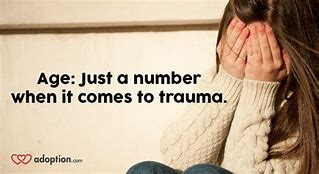
Childhood trauma is a traumatic event that threatens a child’s physical safety, well-being, or bodily integrity. Traumatic events can directly affect children. Sometimes a parent, guardian, or other caregiver is involved. Physical threats to a loved one can be as traumatic as direct threats to a child.
These events can cause intense physical and emotional reactions that last long after the event. Child traumatic stress is a visceral response to childhood trauma that can affect daily life and emotional well-being for years or decades.
What happens when a child experience childhood trauma
After one or more catastrophic incidents in their life, many children have post-traumatic stress disorder (PTSD), which is defined as a long-lasting emotional response to the trauma. Emotional upset, depressive symptoms, anxiety, and behavioral changes, as well as educational and behavioral challenges, are only some of the effects of trauma that can be experienced by those who have been traumatized. When a traumatic event is brought up in a child’s life, they may experience these symptoms. When a child is suffering from child traumatic stress, these reactions can significantly impact the child’s everyday life and capacity to engage with others. As a result, some of these youngsters may be diagnosed with post-traumatic stress disorder (PTSD) (PTSD). Youngster traumatic stress refers to any child who has been traumatized and has difficulty in the future, regardless of the event’s severity. The American Psychiatric Association has defined PTSD as a disorder with a precise set of symptoms: through nightmares, flashbacks, or other means, the youngster continues to relive the trauma.
To be diagnosed with post-traumatic stress, any kid experiencing child traumatic stress must meet all the criteria for PTSD. Child traumatic stress is not the same for every child that endures a trauma. If your child does, several factors come into play. These include their history of previous trauma exposure, as children who have already been traumatized are more likely to have symptoms following a current incident. A child’s skills and shortcomings and the help they receive from both at home and elsewhere are also considered. Sometimes, when two youngsters are confronted with an identical situation, one will develop recurring troubles while the other will not. If you assume that a traumatic event would cause long-term difficulties for a child, you’re making a big presumption about their well-being.
People who have gone through traumatic experiences in childhood have difficulty controlling their emotions, being in relationships, and remembering things. They also tend to be self-critical. And as adults, traumatic experiences in childhood will often manifest in addictions, mental illnesses, or long-term illnesses.
One of the worst things about childhood trauma for adults is the damage it causes to their self-image. Adults who experienced trauma in their childhood are more likely to think of themselves as victims. It threatens people’s lives, as their identity influences their thoughts, choices, careers, chances, and relationships. Those who are convinced the world is working against them are impacted by their fear and cannot follow their dreams.
How Early Trauma Affects One’s Connections
Because childhood trauma often destroys self-image, many adults have disastrous relationships. Psychological Today has concluded that adults who have suffered as children are inclined to seek out friendships, which can be dependent or unbalanced, or avoid other people entirely.
Childhood trauma doesn’t just affect a person’s self-confidence or how they see themselves — it can also negatively affect their relationships. People who have experienced trauma in their childhood believe they don’t deserve friendly, loving, or healthy relationships because of their past. They might think they’re undeserving of their successes, which may lead to an overall lack of motivation and ambition. The result is adults who feel lonely, unable to love, and without purpose. Even though you can never undo traumatic experiences from childhood, counseling can provide therapeutic techniques to help repair the damage in adults.
The Long-Term Consequences of Trauma in Childhood
Child trauma can be highly nuanced, and there are many long-term effects that children experience. When a child grows up in a home where they feel unsafe, they develop strategies to keep them from getting hurt that enable them to cope until they are adults. Maybe their family has them constantly worried about getting hurt because their loved one often hits them. A more likely outcome is the need to be careful not to make another person mad. These kids become used to adapting by suppressing their emotions and stirring up chaos. Despite fear, anger, and sadness, they remained brave.
There is a close relationship between childhood trauma and risk-taking behavior such as smoking, having unprotected sex, and suffering chronic diseases such as heart disease and cancer, as established by the National Child Traumatic Stress Network. Being a victim of abuse puts you at risk of living in stressful and anxious conditions later in life. Extreme stress and long-term anxiety may lead to physical symptoms as well as long-term emotional issues. A fractured foundation occurs in an individual’s life after experiencing childhood trauma. A lot of how we develop, including whether we feel safe or insecure, has to do with the emotional and possibly physical experiences we’ve had in our youth.
 Protect Your Mental
Leave a comment