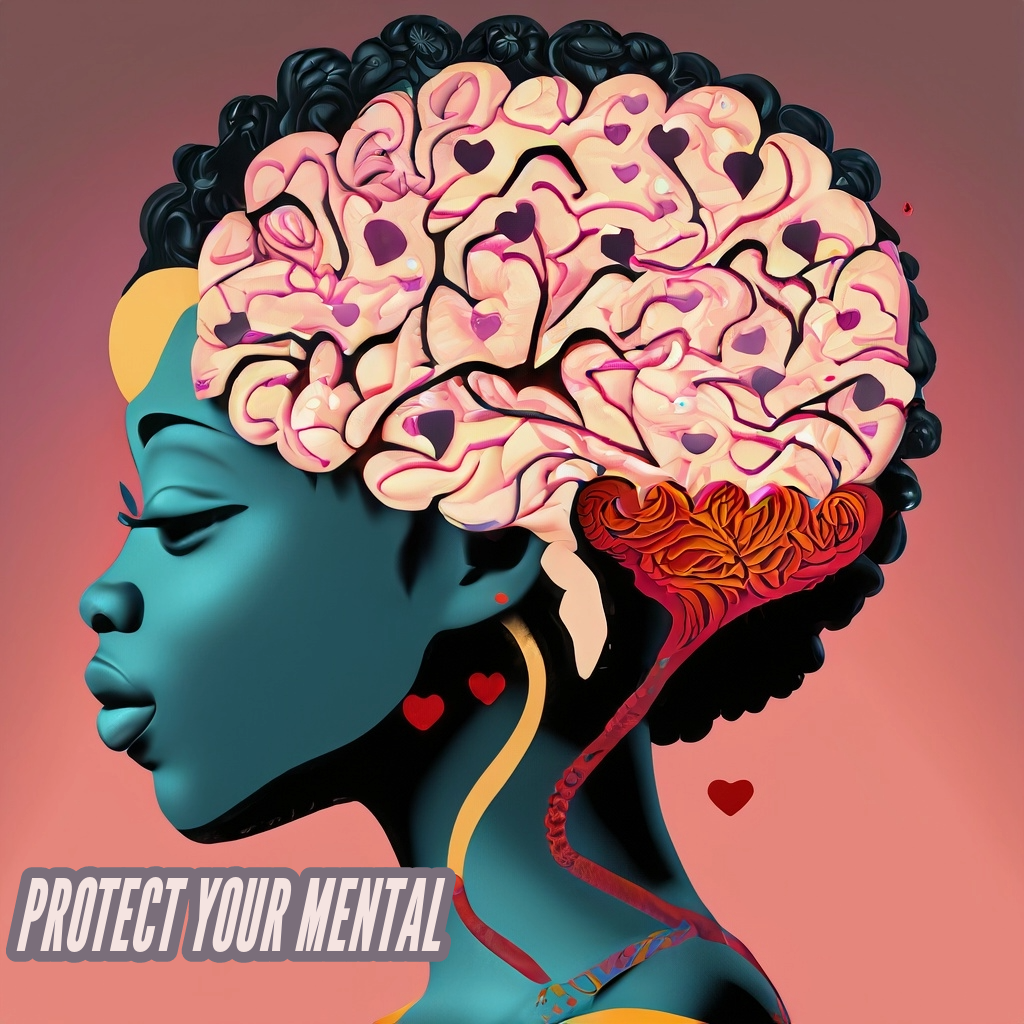
There are many types of anxiety disorders, but they all have one thing in common: an excessive amount of fear (e.g., an emotional reaction to a perceived or real threat) and/or anxiety (e.g., thinking about a future threat).
Anxiety-related disorders are characterized by persistent and sometimes worsening dread or worry. It can affect your regular activities, such as school, work, and/or relationships, to where it can be disruptive. Everyday sentiments and experiences like fear, worry, and anxiety are not the same as having any of the seven diagnosable illnesses, as well as substance-induced anxiety, OCD, or trauma- or stressor-related disorders.
Because of anxiety problems, people cannot sleep, focus, communicate or even leave their homes. Uncontrollable, excessive, and out-of-proportion anxiety may cause professional help. Stress can cause significant physical symptoms such as headaches, nausea, or shaking in those who suffer from it. They characterize it as a disorder when normal pressure becomes illogical and recurs and interferes with everyday living.
Before a big occasion, do you get butterflies in your stomach? Are you concerned about meeting a deadline? Medical or dental treatment is making you apprehensive? If this is the case, you are like most individuals who worry about both critical life events (such as having a kid, passing a test, or purchasing a home) and practical concerns (such as money or health conditions). If you have a phobia of spiders, injections, or even heights, you aren’t alone; many people have these kinds of concerns. Seeing a snake or a giant bug, for example, can frighten many individuals. Everybody encounters some anxiety at some point in their lives, no matter what the source is.
How about if someone refuses to leave their house for long periods of time because they are terrified of crowds or being reminded of an incident from their past that they are reluctant to face. A “typical emotion or experience” is not what you’re describing.
A wide range of anxiety-related conditions exist. Several illnesses share some symptoms, while others are more particular to one. Persistent, excessive worry, uneasiness, or fear that impairs a person’s ability to perform characterized anxiety disorders. Competent specialists should only make diagnoses, such as psychologists and psychiatrists, because anxiety can be difficult to distinguish from a condition.
Finding the root of one’s worry can assist separate normal anxiety from an anxiety disorder. Then, one can determine whether the anxiety symptoms are a proportional reaction to the reason of the worry. Anxiety disorders are characterized by exaggerated worries, concerns, and intrusive thoughts that impair day-to-day activities. Anxiety or anxiety-related disorders may be present if a person cannot leave the house due to fear of germs, such as using hand sanitizer or avoiding door knobs, but this does not always mean that the individual is suffering from an anxiety disorder.
You’re not alone if you think you have an anxiety disorder. There are many people in the same situation.
- Anxiety problems affect 40 million American people.
- The most frequent mental ailment in the United States is anxiety disorder.
- PTSD is twice as common in women as in males.
- Anxiety disorders affect 40 percent of the adult population in the United States.
- Only one-third of persons with anxiety problems receive any sort of therapy.
- Most adolescents with anxiety problems are only given therapy for one-fifth of them.
- More than $42 billion is projected to be spent each year on anxiety disorders.
As a result, it is not unusual for people with anxiety disorders to feel isolated and misunderstood. Being in a crowd of people, being unable to wash your hands after meeting someone, or driving down the street where you were involved in an accident can all be extremely stressful experiences for someone with an anxiety disorder. Other people may not understand this because they do not have the same fear that those with anxiety disorders do. People may tell you that “you don’t have to worry about it” or that “you should simply let it go”.
Those with an anxiety condition cannot “simply let things go.” This makes the battle with an anxiety condition much more difficult, and may deter someone from seeking treatment. However, it is critical that you seek medical attention as soon as you encounter any of these symptoms in order to discuss your worries with a specialist. It’s fairly uncommon for individuals to treat anxiety like a physical illness, yet most people are unaware of its seriousness. Many studies have established scientific causes for (some of) the symptoms noticed in anxiety disorders, which may help patients understand that anxiety is not a fault or a weakness. Individuals with anxiety disorders have changed brain functioning and anomalies detected by brain scans, as have other types of anxiety disorders. Anxiety disorders may also be connected to chemical abnormalities in the brain, according to some research.
Why is anxiety so prevalent, since it has so many detrimental effects? Researchers studying anxiety disorders think that many signs of anxiety (such as being quickly startled and worried about having adequate resources) helped humans survive in harsh and hazardous environments. The “fight or flight” response is perhaps a good idea if you’re frightened of snakes, for example. It has the potential to save your life. Concern over where the next meal or food for the winter will come from was important in hunter-gatherer communities, when there were no supermarkets or drive-throughs. Similar to avoiding an area because you know there is a bear lurking about, fear might encourage you to take actions that will keep you safe. The problem is that in today’s culture, events or worries that have little to do with survival often trigger these anxiety-related reactions. How popular you are at work does not influence your health or safety, such as when you go to the zoo and encounter a bear. According to the vast majority of experts, anxiety is triggered when there are actual threats to your physical well-being and when there is no immediate threat to your physical safety (e.g., when you are safe at home or work).
 Protect Your Mental
Leave a comment