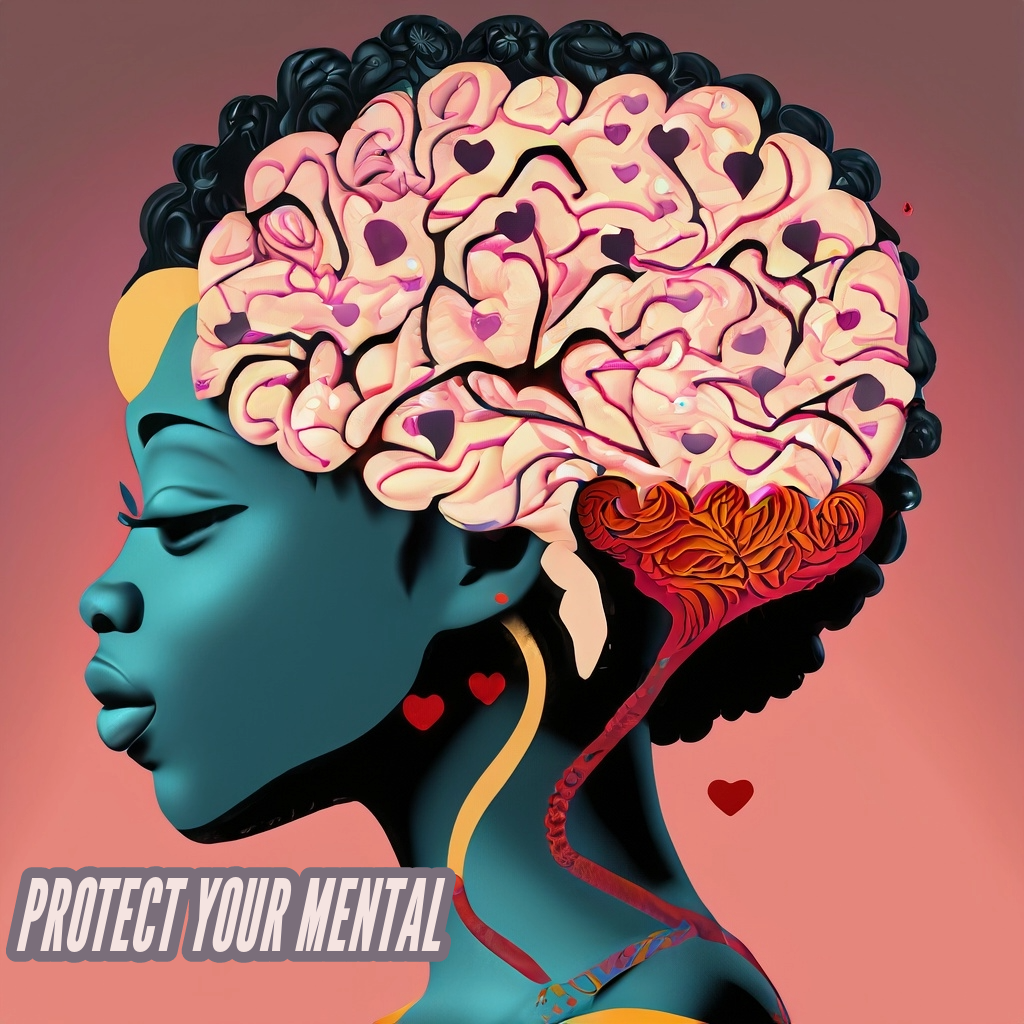
Mental and physical health are essential, and they go hand in hand. Mental health problems are one of the leading causes of disability in the United States. Each year, about 18.1 percent of adults, or 43.6 million people, in the U.S. deal with mental health problems. Approximately 4.2% (9.8 million) of adults have a severe mental health condition that makes them unable to work. Neuropsychiatric disorders are why people in the United States can’t work.
Mental health is not something that pops up out of nowhere. To know if you are at risk of mental health problems or not, you need to know your risk factors. When you notice that your mental health is changing, you can take steps to make sure it doesn’t get worse.
Your mental health affects how you think, feel, and act. It can also affect the surrounding people. Even though the entire month of May is dedicated to bringing attention to mental health, it’s never too early to learn why it’s so important.
Suicide Rates and Risk.
When mental health isn’t taken care of, suicide rates go up, which is sad. When someone close to you dies by suicide, it affects other people. Everyone deals with suicide in their lives. Those who lose a loved one to suicide deal with trauma and grief for a long time, which affects their mental health.
From 1999 to 2016, the number of suicides in the U.S. went up by 25.4%. Every state except for Nevada saw an increase. In the United States, there were over 1.4 million suicide attempts and over 48,000 suicide deaths in 2018. This makes it the tenth most common cause of death in the United States.
So, who is suicide important to? Statistics show men are 3 times more likely to kill themselves than women. American Indian and Alaska Native people have the highest suicide rates of any group in the U.S., followed by non-Hispanic white people. Men over 65 have the highest suicide rate of any age group. Veterans are 1.5 times more likely to kill themselves than people who have never served. People who live in rural areas are more likely to kill themselves than those in suburbs or cities. Adults and teens who are LGBTQ+ are also more likely to kill themselves.
People are more likely to commit suicide when their mental health isn’t taken care of, either themselves or the surrounding people. It makes it harder for us to be happy, healthy, and well-adjusted. Suicidal thoughts drain your energy, making it hard to do well at work, at home, in school, and with friends. Even a vague threat to kill oneself needs to be taken seriously.
Mental Health and Physical Health Correlate.
The link between mental health and physical health is robust. People think that they break the brain when someone has a mental health problem. Your body is a more minor, more complicated system that all needs to work together. Neurotransmitters make these systems work, and they are not just found in the brain.
Mental health problems are diseases like any other illness your body can get. Focusing only on your physical health won’t help your mental health, which is valid for your mental health. A balance needs to be there instead.
For example, think about anxiety and stress. These two conditions will do a lot of damage to your body. When you worry, your body makes stress hormones, making your heartbeat and breathing faster, raising your blood pressure, and increasing your blood sugar. If you don’t treat it, this can cause problems with your muscles, heart, blood vessels, and other body parts. When a person is stressed, their body will shut down.
Unhealthy Coping Mechanisms.
When sad things happen and your mental health worsens, it might tempt you to fix yourself. To deal with what’s going on in their lives, many people turn to drugs, alcohol, and other habits that are hard to break, like gambling. But doing this only makes things worse.
Even if we don’t use drugs or alcohol, we may still use other unhealthy ways to deal with stress without realizing it. Some people try to stay away from anything that isn’t good. This may seem like a healthy way to deal with emotions, but it’s a way of thinking that doesn’t consider the real world. Some people might also choose to be alone to deal with things. Isolation can sometimes help in the short term, but it often lasts longer. Cutting off all contact with loved ones hurts most people more than it helps because people are social by nature.
You are overthinking and worrying as ways to protect yourself are also not effective ways to deal with things. It’s normal to want to avoid things that make us feel scared. Still, extreme avoidance and agonizing show that you don’t have control, usually over a particular feeling versus a real, fearful object.
Awareness Can End the Stigma.
They have stigmatized mental illness for hundreds of years, as mentioned previously. A “female sickness” or an opium habit might land you in a mental hospital 50 years ago. When the facilities closed in the 1980s and 1990s, the stigma remained.
Fortunately, the stigma around mental illness is dissipating as more people realize its significance. They removed shame and guilt from the equation, and people will be more inclined to seek help for mental health issues.
This stigma may lead to feelings of guilt and shame, leading to harmful behaviors. As a result, one’s sense of self deteriorates. By embracing mental health and knowing about it, you may empower yourself to recover and become more accurate. Accepting that you have mental health issues is a healthy step; only once you have received this can you make changes for the better that are both good and achievable.
Mental Health affects All Aspects of Life.
Having a healthy mental state affects every element of your life somehow. Mental health influences how you see the world and react, whether at home with your family or at work. Mental health is a significant factor in handling life’s unexpected obstacles.
If you don’t handle one problem, it’s more probable that other issues will follow. Depression and despair, anxiety, stress, guilt and shame, a sense of worthlessness, and a sensation that you lack control may result from a lack of treatment for mental health conditions. Suicide and suicide attempts have become commonplace for many individuals because of this.
Relationships are damaged. Performance at work and school is suffering. This leads to a complete lack of contact with the outside world, which only serves to amplify one’s negative ideas and emotions. The things you used to appreciate may no longer excite you. You may have trouble finishing crucial activities on time. You may have difficulty focusing or don’t have the energy to get things done around the house. Bad eating habits are a possibility.
You may learn to cope again if you seek others. However, it will take time and work to improve your health in all areas of your life. You can mend broken relationships and embark on new journeys. You have the power to reclaim your life and go back to doing the things you love. Everyday life may take on more significance if you choose. And you may be a fantastic source of encouragement and inspiration to people struggling with mental health issues.
Reach Out.
Many individuals are reluctant to seek treatment for mental health issues because they are afraid of being judged. Because of their situation, it may embarrass them about themselves. They may also be fearful of being rejected or judged by others. However, acknowledging the stigma of mental illness is necessary to get the care you need. Society is becoming more aware of the significance of mental health, reducing the stigma it has carried over many years.
There are several ways to reach out to others. Finding a counselor is a terrific method of obtaining aid. If you prefer to meet with a counselor rather than through an app like Zoom or Skype, several agencies now provide on-demand appointments.
You may also talk about your mental health with friends and family members. Contact someone you know you can rely on and let them know what’s going on and that you could use their encouragement. We can’t get through life’s roughest patches without the help of others.
What is the state of your or a loved one’s mental health? Call the National Mental Health Hotline at 866-903-3787 if you need help. Even if you don’t have a question, we have the answers and can help you find the resources you need to go forward.
 Protect Your Mental
Leave a comment