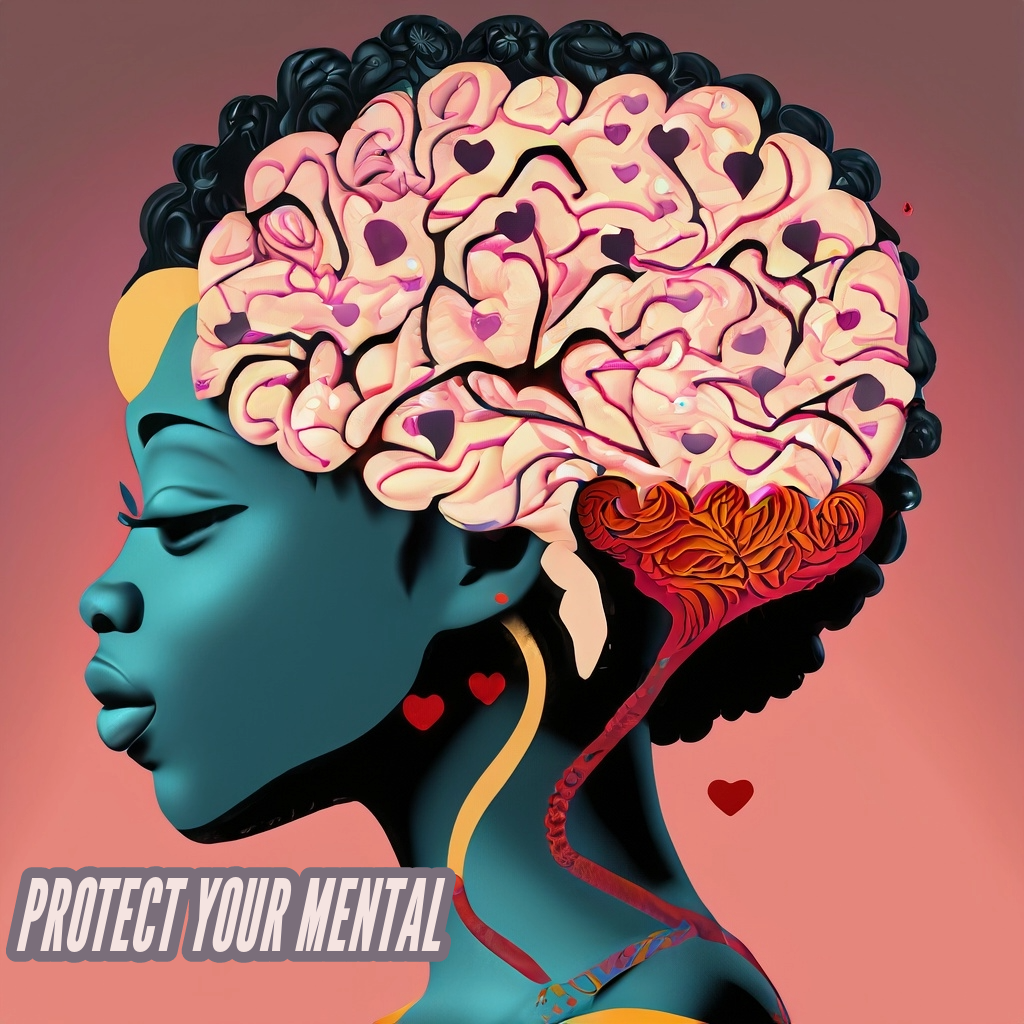
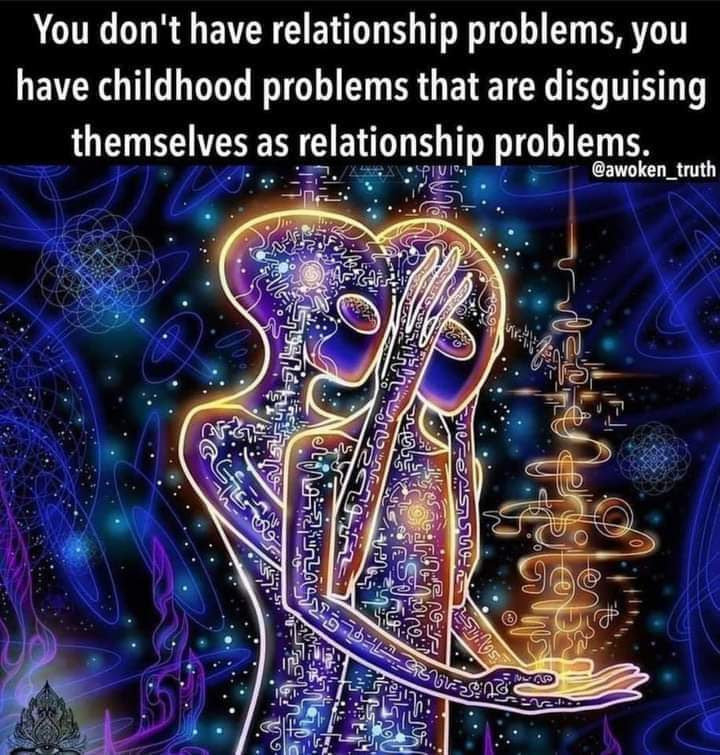
When it comes to understanding the complexities of adult relationships, it is crucial to recognize the profound impact that childhood experiences can have on our lives. Childhood wounds, which encompass emotional, physical, or psychological traumas endured during our formative years, can significantly shape our beliefs, behaviors, and patterns in adult relationships. As we navigate the intricate terrain of intimacy, vulnerability, and connection, it is essential to acknowledge that our experiences as children lay the foundation for how we approach and engage with others in our adult lives. These wounds can manifest themselves in various ways, such as fear of abandonment, trust issues, difficulty in expressing emotions, or patterns of unhealthy communication. Childhood wounds are deeply ingrained and often subconscious, yet they exert a powerful influence on our relationships. They can create emotional triggers and reactive patterns that lead to conflict, distance, and dissatisfaction. Without addressing and healing these wounds, we risk perpetuating negative cycles and sabotaging the potential for fulfilling and healthy connections. However, it is important to note that recognizing the impact of childhood wounds does not imply blame or victimhood. Rather, it empowers us to take ownership of our emotional well-being and proactively work toward healing and growth. By understanding the roots of our relational patterns, we gain insight into our own needs, desires, and vulnerabilities, enabling us to cultivate healthier and more authentic connections. Let’s begin to delve deeper into the role of childhood wounds in adult relationships and explore practical strategies for healing and transforming these wounds. By doing so, we can unlock the key to relationship success and create a foundation of love, trust, and mutual understanding that transcends the limitations of our past experiences.
 Protect Your Mental
Leave a comment