
Family is often seen as a source of love and support, but unfortunately, that’s not always the case. Sometimes, family members can be toxic and cause more harm than good. Their caustic behavior can negatively impact your mental and emotional well-being, making it challenging to maintain a healthy and productive life. Setting boundaries with family members can be complex and dynamic, but it’s essential for your happiness and peace of mind. In this post, we’ll discuss the importance of setting boundaries with toxic family members, how to identify poisonous behavior, and provide practical tips for establishing and maintaining healthy boundaries. If you’re tired of feeling trapped and controlled by toxic family members, read on to learn how to protect your mental and take control of your life.
The impact of toxic family members on your peace.
Toxic family members are individuals who consistently exhibit negative behaviors such as manipulation, criticism, control, or emotional abuse. Their presence can cause stress, anxiety, and even trauma, making it crucial to recognize the impact they have on your mental and emotional health.
The effects of toxic family members can be far-reaching. They can undermine your self-confidence, leave you guilty or unworthy, and create tension and conflict within your family dynamic. Their toxic behavior can infiltrate every aspect of your life, from your personal relationships to your professional endeavors, hindering your ability to thrive and find happiness.
However, it is essential to acknowledge that you have the power to protect your peace and set boundaries with toxic family members. By recognizing their detrimental effects on your well-being, you can take proactive steps toward creating a healthier and more balanced life. The following sections will explore practical strategies for setting boundaries and regaining control of your peace amid toxic family dynamics. Remember, you deserve to live a life free from toxicity and surrounded by positivity and love.
Understanding toxic family dynamics: Signs and behaviors to look out for.
Understanding unhealthy family dynamics is crucial in protecting your peace and well-being. It can be challenging to identify poisonous behaviors, especially when they come from family members you love and care for. However, recognizing the signs is the first step towards setting boundaries and creating a healthier environment for yourself.
One common sign of toxic family dynamics is constant criticism and belittlement. Toxic family members may frequently criticize your choices, appearance, or achievements, leaving you feeling inadequate and insecure. They may also engage in gaslighting, manipulating you into questioning your own thoughts, feelings, and perceptions.
Another behavior to look out for is excessive control and manipulation. Toxic family members often try to control your decisions, actions, and life choices, disregarding your autonomy and individuality. They may use guilt-tripping, emotional blackmail, or other manipulative tactics to get their way and maintain power over you.
Dysfunctional communication is also prevalent in toxic family dynamics. Instead of engaging in healthy discussions and resolving conflicts, poisonous family members may resort to shouting matches, silent treatment, or passive-aggressive behavior. This constant tension and lack of effective communication can significantly impact your emotional well-being.
Furthermore, toxic family members may exhibit narcissistic tendencies, constantly seeking attention, admiration, and validation. They may disregard your feelings and needs, making everything about themselves. This self-centered behavior can be draining and toxic for your mental and emotional health.
Lastly, it is essential to pay attention to any patterns of abuse, whether it is emotional, verbal, or even physical. Abuse should never be tolerated, regardless of the familial relationship. If you experience any form of abuse from a family member, it is crucial to seek help and support to ensure your safety and well-being.
Understanding these signs and behaviors can help you identify toxic family dynamics and take the necessary steps to protect yourself. Remember, setting boundaries is not selfish – it is an act of self-care and self-preservation.
The importance of setting boundaries: Why it is crucial for your well-being.
Setting boundaries with toxic family members is crucial for your overall well-being. It is easy to underestimate the impact that unhealthy relationships can have on our mental, emotional, and even physical health. While it may be challenging to acknowledge, sometimes the people closest to us can be the ones causing the most harm. This is why setting boundaries becomes essential in protecting your peace.
Boundaries serve as a protective shield, creating a safe space to establish your limits and meet your needs. By setting boundaries with toxic family members, you are taking a proactive step towards preserving your mental and emotional health. It allows you to prioritize your well-being and establish a sense of control over your own life.
One of the key benefits of setting boundaries is that it helps to create a healthier dynamic within the relationship. It enables you to clearly communicate your expectations and establish guidelines for acceptable behavior. Doing so empowers you and sets the tone for how you want to be treated.
Furthermore, setting boundaries with toxic family members allows you to define and protect your personal values, beliefs, and goals. It will enable you to make choices that align with your values rather than being influenced or manipulated by others. This helps to cultivate a stronger sense of self and promotes personal growth and development.
It is important to remember that setting boundaries is not selfish; it is an act of self-care and self-preservation. It is about creating a healthy balance between your own needs and the needs of others. Establishing clear boundaries conveys that your well-being matters and should not be compromised.
In conclusion, setting boundaries with toxic family members is crucial for your overall well-being. It allows you to protect your peace, prioritize your mental and emotional health, and create healthier dynamics within your relationships. Remember, you have the right to set boundaries and control your life.
Communicating your boundaries assertively: Tips for effective communication.
Communicating your boundaries assertively is crucial when dealing with toxic family members. It is important to remember that setting boundaries is not about being confrontational or aggressive but about advocating for your well-being and maintaining your peace of mind.
Here are some tips for effectively communicating your boundaries with toxic family members:
1. Be clear and specific: Clearly define and communicate your boundaries directly and straightforwardly. Use “I” statements to express your feelings and needs, such as “I need some space” or “I am not comfortable with discussing certain topics.”
2. Use assertive language: Use strong language to express your boundaries. Maintain a calm and confident tone while speaking, avoiding aggression or defensiveness. Remember, you have the right to establish and enforce your limits.
3. Practice active listening: When discussing your boundaries, listen to the other person’s perspective, even if you disagree. This shows respect and can help foster a more constructive conversation.
4. Set consequences: Clearly communicate the results of crossing your boundaries. Let them know that if they continue to disregard your boundaries, there will be repercussions, such as limiting contact or taking a break from the relationship. Be prepared to follow through with these consequences if necessary.
5. Seek support if needed: Dealing with toxic family members can be emotionally challenging. Consider seeking help from a therapist, support group, or trusted friends who can provide guidance and understanding during this process.
Remember, setting boundaries is an ongoing process that requires consistency and self-advocacy. It may take time for your family members to adjust to these new boundaries, but prioritizing your peace of mind is essential for your overall well-being.
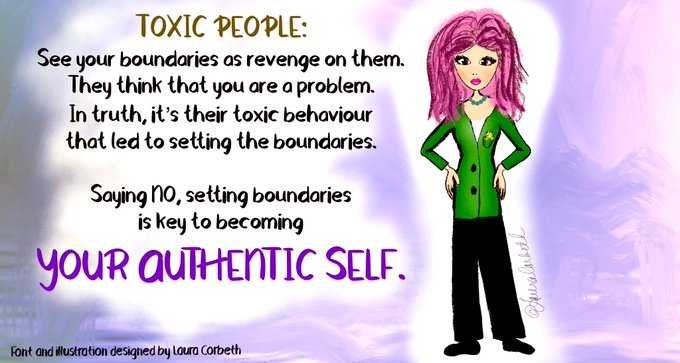
I hope you found this blog post on setting boundaries with toxic family members helpful in protecting your peace. It can be a challenging and sensitive topic, but it is crucial to prioritize your mental and emotional well-being. By implementing the strategies we discussed, such as identifying toxic behaviors, establishing clear boundaries, and seeking support, you can create a healthier and more peaceful dynamic with your family. Remember, your mental health matters, and it is okay to prioritize yourself. Wishing you all the best on your journey to protecting your mental!
 Protect Your Mental
Leave a comment